
You hit publish. The book is live.
Maybe you ran a launch. Maybe you got a few sales, some LinkedIn congratulations, a nice bump in inquiries for a week or two. Then things quiet down, and the book slides into the background of your business: a nice credential on your website, a link in your email signature, a thing you mention on sales calls.
That’s the One-and-Done Trap. And if you’re an agency owner who used AI to get your book written fast, you’re especially likely to fall into it.
Here’s why that’s a problem, and what to do instead.
Why the Trap Happens
It’s not laziness. It’s structure.
Publishing has a clear finish line. You write, you edit, you format, you launch. There’s a date on the calendar and a moment where the work is “done.”
Marketing doesn’t have that same finish line. There’s no launch day for “keep using this asset.” So without a plan, the book just… stops being used. Not because you decided to stop, but because nothing forced you to keep going.
There’s a second reason, and it’s specific to how you likely wrote this book. Authors who wrote books before the dawn of AI built repurposing habits almost by accident. The process took so long that promoting the book while writing it became necessary just to stay motivated and keep momentum.
AI collapsed that timeline. You can go from outline to manuscript in weeks. That’s a real advantage, but it means you skip the year of built-in promotion, and the repurposing habit skips right along with it. Nobody forced you to build one, so most agency owners don’t.
The result: a genuinely valuable asset, sitting mostly unused.
What’s Actually Buried in Your Manuscript
Your book isn’t just a book. It’s raw material for months of content, if you know where to look.
Frameworks and models.
That chapter where you laid out your 5-step process or your proprietary method? That’s not just chapter content. It’s a lead magnet, a carousel, and/or a workshop outline, waiting to be pulled out and repackaged on its own.
Stories and case studies.
Every client win, or before-and-after story you included is proof your prospects need to see. Those stories can become email sequences, sales page testimonials, or standalone social posts. Proof doesn’t expire after one use.
Objection-handling chapters.
Somewhere in your book, you probably addressed the skepticism your ideal client has before they’ll trust you. That’s not just persuasive writing for readers. That’s sales page copy, FAQ content, and cold-outreach material, already written in your voice.
The structure itself.
Your table of contents is a content calendar in disguise. Each chapter title is a topic. Each subheading is a hook. You don’t need to brainstorm content ideas from scratch; you need to mine what’s already there.
None of this requires new writing. It requires a second pass with a different purpose.
A Simple Framework for Repurposing Your Book
Here’s a straightforward way to turn a finished manuscript into an ongoing content engine.
1. Audit the manuscript, chapter by chapter.
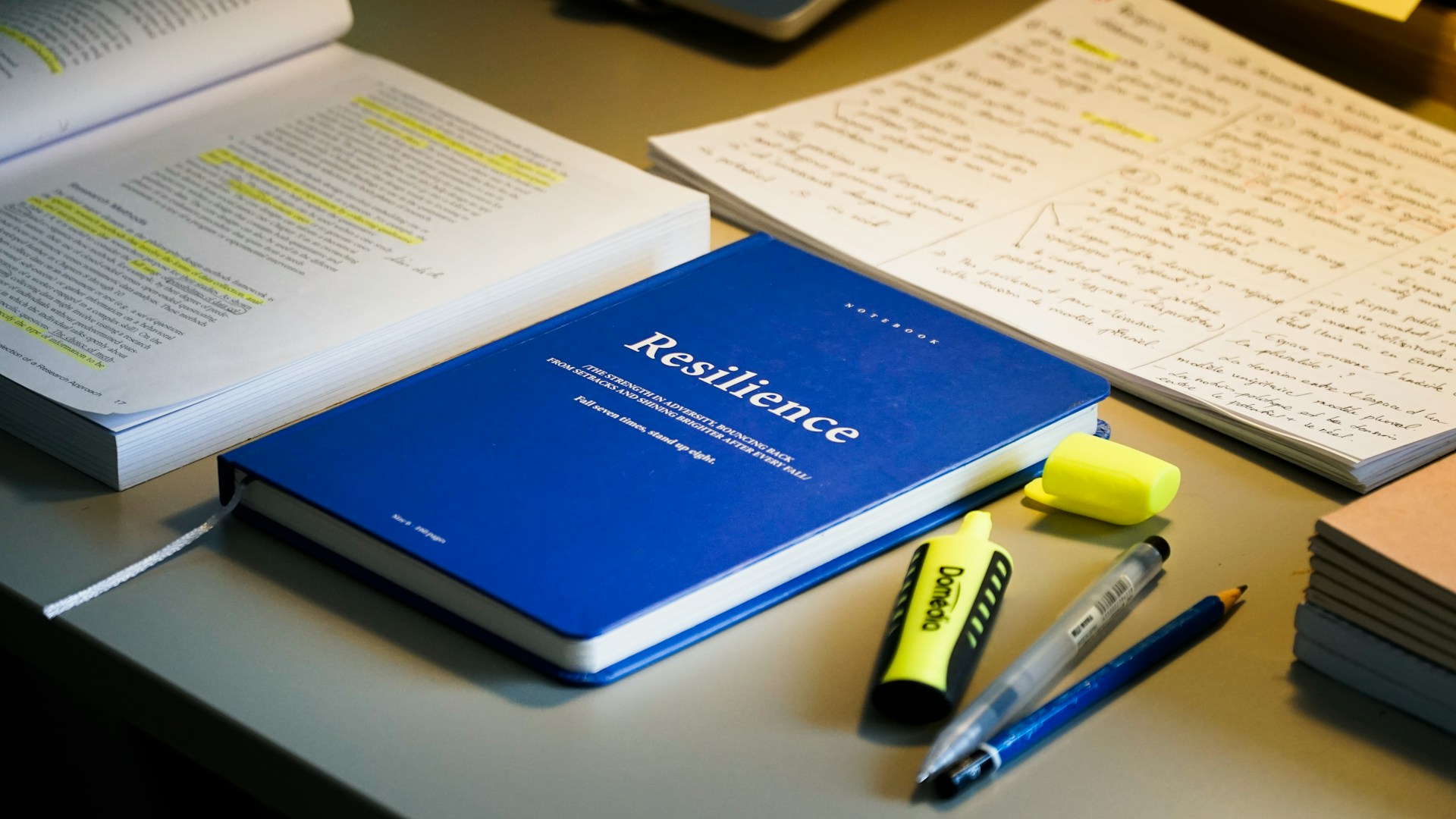
Read back through with a highlighter (physical or digital). Flag anything that could stand alone: a framework, a story, a stat, a strong objection you handled well.
2. Sort what you find into content types.
Not everything becomes the same thing. A framework might become a lead magnet. A story might become an email. An objection might become sales copy. Group your flagged content by what it’s best suited for, not by what chapter it came from.
3. Match each piece to a stage in your funnel.
Some content is better for cold audiences who’ve never heard of you (frameworks, teaching content). Some is better for warm leads who are deciding whether to trust you (stories, proof). Some is built for people who are close to buying (objection-handling, direct offers). Tag each piece accordingly so you’re not just producing content; you’re producing content that moves people forward.
4. Build a simple repurposing calendar.
You don’t need to extract everything at once. Pick one chapter a month. Pull the framework, the story, and the objection from it. That’s roughly three pieces of content, minimum, from material you’ve already written.
You’re not producing more content; you’re making good use of what you already have.
The Cost of Staying One-and-Done
Compare the two paths side by side.
One-and-done:
A launch spike, followed by a slow fade. The book becomes a static credential. It’s something you mention, not something that works for you. Every new piece of content has to be built from scratch.
Book-as-engine:
A steady stream of content that’s already proven, because it survived editing and made it into a published book. Leads keep coming in from material you wrote once. Your team spends less time staring at a blank page, because the manuscript is already doing the heavy lifting.
The difference isn’t more effort. It’s a different relationship to the same asset.
What to Do This Week
You don’t need a new strategy meeting or a content calendar overhaul to get started. You need one hour with your manuscript.
- Open your book and flag one chapter with clear repurposing potential.
- Pull out the framework, story, or objection inside it.
- Turn that one piece into a single email, post, or lead magnet before the week is out.
That’s it. One chapter, one piece of content, one proof that the system works. From there, it’s just repetition.
Your book was never meant to be the finish line. It was meant to be the foundation. The only thing standing between where you are now and a book that keeps working for you is deciding to go back in and use it.
If you’d rather not do that audit alone, it’s exactly the kind of work I help agency owners with: pulling the lead magnets, sequences, and content out of a manuscript so it keeps earning its keep long after launch day.